

Hey there! As a supplier of formaldehyde sensors, I'm super excited to share with you how these nifty little devices work. Formaldehyde is a common indoor air pollutant that can cause a range of health issues, from irritation of the eyes, nose, and throat to more serious long - term problems like cancer. That's why having a reliable formaldehyde sensor is crucial for maintaining a healthy indoor environment.
Let's start with the basics. A formaldehyde sensor is a device that can detect the presence and concentration of formaldehyde gas in the air. There are several types of formaldehyde sensors out there, but the two most common ones we supply are the Electrochemical Formaldehyde Gas Sensor SMD1001E and the MEMS Formaldehyde Gas Sensor SMD1001. You can check out more details about them here: Electrochemical Formaldehyde Gas Sensor SMD1001E and MEMS Formaldehyde Gas Sensor SMD1001.
Electrochemical Formaldehyde Gas Sensor SMD1001E
The Electrochemical Formaldehyde Gas Sensor SMD1001E is based on electrochemical principles. Inside this sensor, there are three main electrodes: the working electrode, the counter electrode, and the reference electrode. These electrodes are immersed in an electrolyte solution.
When formaldehyde gas enters the sensor, it reaches the working electrode. At the working electrode, a chemical reaction occurs between the formaldehyde molecules and the electrode material. This reaction involves the transfer of electrons. Formaldehyde is oxidized at the working electrode, releasing electrons into the external circuit.
The counter electrode plays a crucial role in maintaining the overall electrochemical balance. It provides a path for the flow of electrons back into the electrolyte to complete the electrical circuit. The reference electrode, on the other hand, helps to maintain a stable potential within the sensor. It acts as a reference point for measuring the potential changes at the working electrode.
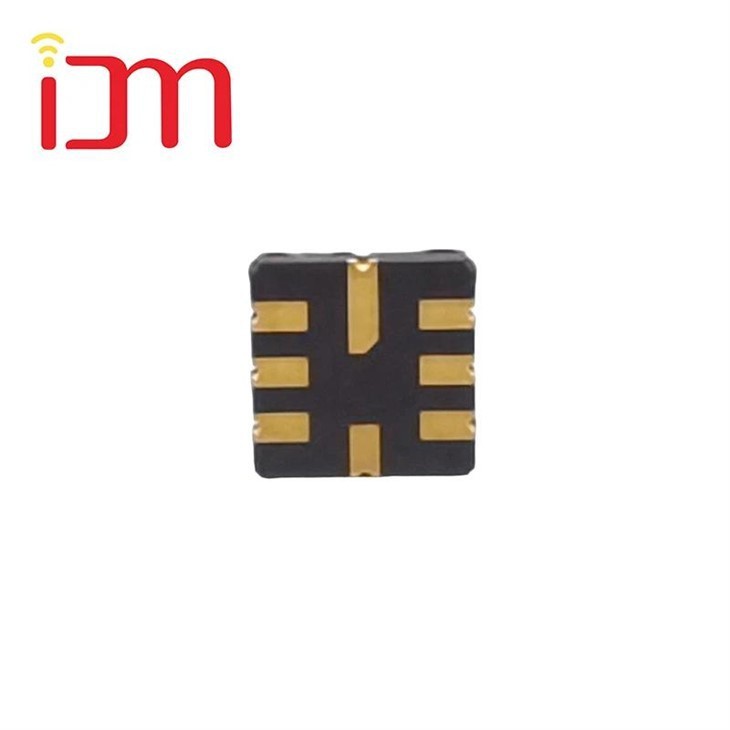

As the formaldehyde oxidation reaction proceeds, the flow of electrons creates an electric current. The magnitude of this current is directly proportional to the concentration of formaldehyde in the air. The sensor's internal circuitry then measures this current and converts it into a digital or analog signal that can be read by a connected device, such as a smart home system or an air quality monitor.
One of the great things about the Electrochemical Formaldehyde Gas Sensor SMD1001E is its high sensitivity. It can detect very low concentrations of formaldehyde, making it ideal for applications where early detection is key. However, it does require some maintenance. The electrolyte solution may need to be replaced over time, and the sensor should be calibrated periodically to ensure accurate readings.
MEMS Formaldehyde Gas Sensor SMD1001
Now, let's talk about the MEMS Formaldehyde Gas Sensor SMD1001. MEMS stands for Micro - Electro - Mechanical Systems, which means this sensor is fabricated using microfabrication techniques similar to those used in the semiconductor industry.
The core of the MEMS Formaldehyde Gas Sensor SMD1001 is a sensing element made of a special material that has a high affinity for formaldehyde. This material is usually a metal oxide or a polymer. When formaldehyde molecules come into contact with the sensing element, they adsorb onto its surface.
The adsorption of formaldehyde causes a change in the electrical properties of the sensing element, such as its resistance or capacitance. The sensor is designed to measure these changes. For example, in a resistive - type MEMS sensor, the resistance of the sensing element increases or decreases depending on the amount of formaldehyde adsorbed.
The MEMS technology allows for the integration of the sensing element with other components, such as signal processing circuits, on a single chip. This makes the sensor small, lightweight, and power - efficient. It's also relatively inexpensive to produce, which makes it a popular choice for mass - market applications like consumer air quality monitors.
However, the MEMS Formaldehyde Gas Sensor SMD1001 may be affected by environmental factors such as temperature and humidity. Changes in these factors can cause fluctuations in the sensor's readings. To compensate for these effects, the sensor often includes built - in compensation algorithms or additional sensors to measure temperature and humidity and adjust the formaldehyde readings accordingly.
Applications of Formaldehyde Sensors
Formaldehyde sensors have a wide range of applications. In the home, they can be used in air purifiers, smart thermostats, and standalone air quality monitors. By continuously monitoring the formaldehyde levels, these devices can alert homeowners when the levels are too high, allowing them to take steps to improve the indoor air quality, such as opening windows or running an air purifier.
In commercial buildings, formaldehyde sensors are used in ventilation systems. They can help to optimize the ventilation rate based on the actual formaldehyde concentration in the air. This not only improves the health and comfort of the building occupants but also helps to save energy by reducing unnecessary ventilation.
In industrial settings, formaldehyde sensors are crucial for worker safety. Industries that use formaldehyde in their manufacturing processes, such as the furniture, textile, and chemical industries, need to monitor the formaldehyde levels in the workplace to ensure that they comply with safety regulations.
Why Choose Our Formaldehyde Sensors
As a supplier, we take pride in offering high - quality formaldehyde sensors. Our Electrochemical Formaldehyde Gas Sensor SMD1001E and MEMS Formaldehyde Gas Sensor SMD1001 are designed and manufactured to meet the highest standards. We use the latest technologies and materials to ensure accurate and reliable performance.
Our sensors are also easy to integrate into different systems. Whether you're a smart home device manufacturer, an air quality monitor producer, or an industrial equipment supplier, our sensors can be easily incorporated into your products. We provide comprehensive technical support to help you with the integration process.
If you're in the market for formaldehyde sensors, I encourage you to get in touch with us. We can discuss your specific requirements and help you choose the right sensor for your application. Whether you need a small quantity for a prototype or a large - scale order for mass production, we've got you covered.
Conclusion
In conclusion, formaldehyde sensors are essential tools for detecting and monitoring formaldehyde levels in the air. The Electrochemical Formaldehyde Gas Sensor SMD1001E and the MEMS Formaldehyde Gas Sensor SMD1001 are two great options, each with its own unique features and advantages.
If you have any questions about our formaldehyde sensors or if you're interested in purchasing them, don't hesitate to reach out. We're here to help you ensure a healthy and safe environment with our top - notch formaldehyde sensors.
References
- "Gas Sensor Technology: Principles and Applications" by Some Author
- "Electrochemical Sensors for Environmental Monitoring" by Another Author
- "MEMS Gas Sensors: Design, Fabrication, and Applications" by Yet Another Author