

Hey there! As an ozone sensor supplier, I've been diving deep into the world of ozone sensors for quite some time. Ozone sensors are super important in various industries, from environmental monitoring to industrial safety. In this blog, I'm gonna walk you through the different types of ozone sensors out there.
Electrochemical Ozone Sensors
Let's start with electrochemical ozone sensors. These bad boys are pretty popular and for good reason. They work based on the principle of electrochemical reactions. When ozone comes into contact with the sensor's electrodes, it triggers a chemical reaction that generates an electrical current. The strength of this current is directly proportional to the concentration of ozone in the air.
One of the biggest advantages of electrochemical ozone sensors is their high sensitivity. They can detect even very low levels of ozone, which makes them ideal for environmental monitoring. For example, in areas where air quality is a concern, these sensors can help us keep tabs on ozone levels and take appropriate measures if they get too high.
Another plus is their relatively low cost compared to some other types of sensors. They're also pretty easy to install and maintain, which is a huge plus for businesses and organizations that need to monitor ozone on a regular basis.
However, they do have a few drawbacks. One is that they can be affected by other gases in the air. Some gases can interfere with the electrochemical reaction and give false readings. So, it's important to use them in environments where the presence of other gases is well-controlled or to use additional sensors to compensate for any interference.
UV Absorption Ozone Sensors
Next up, we have UV absorption ozone sensors. These sensors work by measuring the amount of ultraviolet (UV) light that is absorbed by ozone in the air. Ozone has a specific absorption spectrum in the UV range, and by measuring the amount of light absorbed at a particular wavelength, we can determine the concentration of ozone.
The main advantage of UV absorption ozone sensors is their high accuracy. They're not as easily affected by other gases as electrochemical sensors, so they can provide more reliable measurements. They're also very stable over time, which means they don't need to be calibrated as often.
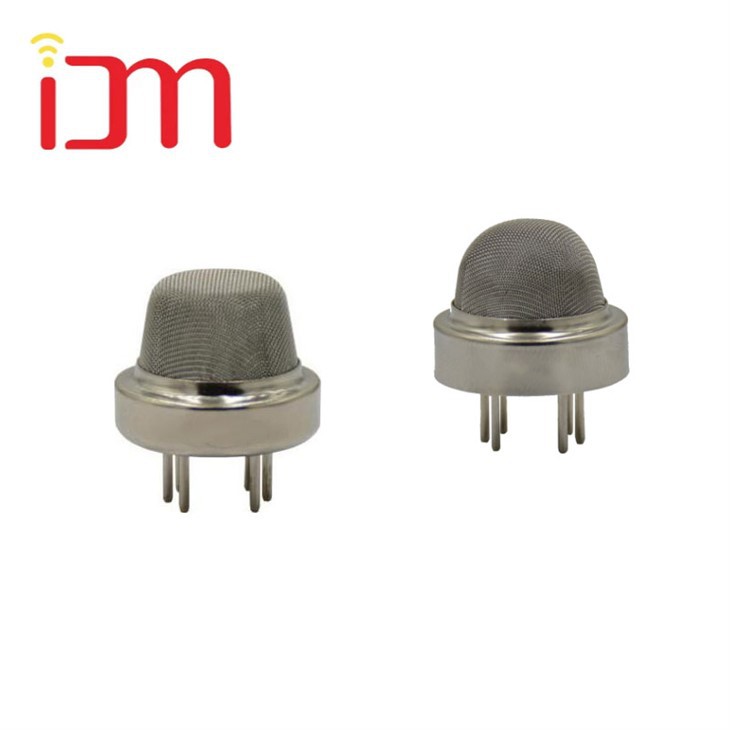

These sensors are commonly used in high - precision applications, such as in research laboratories and in some industrial processes where accurate ozone measurements are crucial. For example, in semiconductor manufacturing, where even small variations in ozone levels can affect the quality of the products, UV absorption sensors are often the go - to choice.
But, they do come with a few downsides. They're generally more expensive than electrochemical sensors. The equipment is also more complex and requires more maintenance. Plus, they're larger in size, which can be a limitation in some applications where space is limited.
Semiconductor Ozone Sensors
Now, let's talk about semiconductor ozone sensors. These sensors are based on the change in the electrical conductivity of a semiconductor material when it comes into contact with ozone. When ozone molecules interact with the semiconductor surface, they cause a change in the number of charge carriers in the material, which in turn changes its conductivity.
One of the great things about semiconductor ozone sensors is their fast response time. They can detect changes in ozone concentration very quickly, which is really useful in applications where real - time monitoring is required. They're also relatively small in size, making them suitable for portable devices.
For instance, if you're looking for a sensor to use in a handheld air quality monitor, a semiconductor ozone sensor could be a great option. And speaking of semiconductor ozone sensors, we offer the Semiconductor Ozone Gas Sensor SMT - 038. It's a top - notch sensor with excellent performance and reliability.
However, semiconductor ozone sensors can be affected by temperature and humidity. Changes in these environmental factors can cause fluctuations in the sensor's readings. So, proper calibration and compensation techniques are needed to ensure accurate measurements.
Photoionization Detectors (PIDs)
Photoionization detectors, or PIDs, can also be used to detect ozone. These detectors work by using high - energy photons to ionize the ozone molecules in the air. The ions produced are then collected and measured as an electrical current, which is proportional to the concentration of ozone.
PIDs are known for their wide dynamic range. They can detect ozone over a broad range of concentrations, from very low levels to relatively high levels. They're also very sensitive and can quickly respond to changes in ozone levels.
They're commonly used in industrial settings, especially in areas where there's a risk of ozone leaks. For example, in chemical plants or in facilities that use ozone for water treatment, PIDs can help detect any unexpected ozone releases and alert workers in a timely manner.
But, like other sensors, they have their limitations. They can be affected by other volatile organic compounds (VOCs) in the air, as these compounds can also be ionized by the high - energy photons. So, in environments with a high concentration of VOCs, additional filtering or compensation methods may be required.
Which Type of Ozone Sensor is Right for You?
So, how do you decide which type of ozone sensor is right for your application? Well, it depends on a few factors.
If you're on a tight budget and need a sensor for general environmental monitoring, an electrochemical ozone sensor might be the way to go. They're affordable, easy to use, and can provide reasonably accurate measurements in many situations.
If you need high - precision measurements for research or industrial processes where accuracy is critical, a UV absorption ozone sensor is probably your best bet. They offer the highest level of accuracy and stability.
For applications where fast response time and portability are important, such as in handheld devices or for on - the - go monitoring, a semiconductor ozone sensor could be a good choice. And don't forget to check out our Semiconductor Ozone Gas Sensor SMT - 038 for this type of application.
If you need to detect ozone over a wide range of concentrations and in industrial settings where there's a risk of leaks, a PID might be the most suitable option.
Wrapping Up and Let's Connect
In conclusion, there are several types of ozone sensors available, each with its own set of advantages and disadvantages. As an ozone sensor supplier, I'm here to help you choose the right sensor for your specific needs. Whether you're a researcher, an environmentalist, or an industrial operator, we have the expertise and the products to meet your requirements.
If you're interested in learning more about our ozone sensors or if you're ready to start a purchase, don't hesitate to reach out. We're always happy to have a chat and discuss how our sensors can fit into your projects. Let's work together to ensure accurate and reliable ozone monitoring!
References
- Handbook of Gas Sensor Technology
- Journal of Environmental Monitoring and Sensors
- Industrial Gas Detection: Principles and Applications