

As a leading supplier of ozone sensors, I often receive inquiries from customers about the recovery time of these sensors. Understanding the recovery time is crucial for applications where rapid and accurate ozone detection is required. In this blog, I will delve into the concept of recovery time for ozone sensors, factors affecting it, and how our products, such as the Semiconductor Ozone Gas Sensor SMT - 038, perform in this regard.
What is Recovery Time?
Recovery time refers to the duration it takes for an ozone sensor to return to its baseline output signal after being exposed to a certain concentration of ozone and then removed from the ozone - containing environment. In simpler terms, when an ozone sensor detects ozone, its electrical properties change, which is translated into a signal output. Once the ozone source is removed, the sensor needs time to revert to its normal state, and this time is the recovery time.
A short recovery time is highly desirable in many applications. For example, in air quality monitoring systems, a sensor with a fast recovery time can quickly adapt to changes in ozone levels, providing real - time and accurate data. In industrial settings where ozone is used in processes, a sensor with rapid recovery can ensure timely detection of ozone leaks and help maintain a safe working environment.
Factors Affecting the Recovery Time of Ozone Sensors
Sensor Technology
Different sensor technologies have different recovery characteristics. There are mainly three types of ozone sensors: electrochemical, semiconductor, and ultraviolet absorption - based sensors.
Electrochemical ozone sensors work based on the chemical reaction between ozone and electrodes in an electrolyte. The recovery time of these sensors can be affected by the rate of the reverse chemical reaction after the ozone exposure stops. Generally, they may have a relatively longer recovery time due to the nature of the electrochemical processes involved.
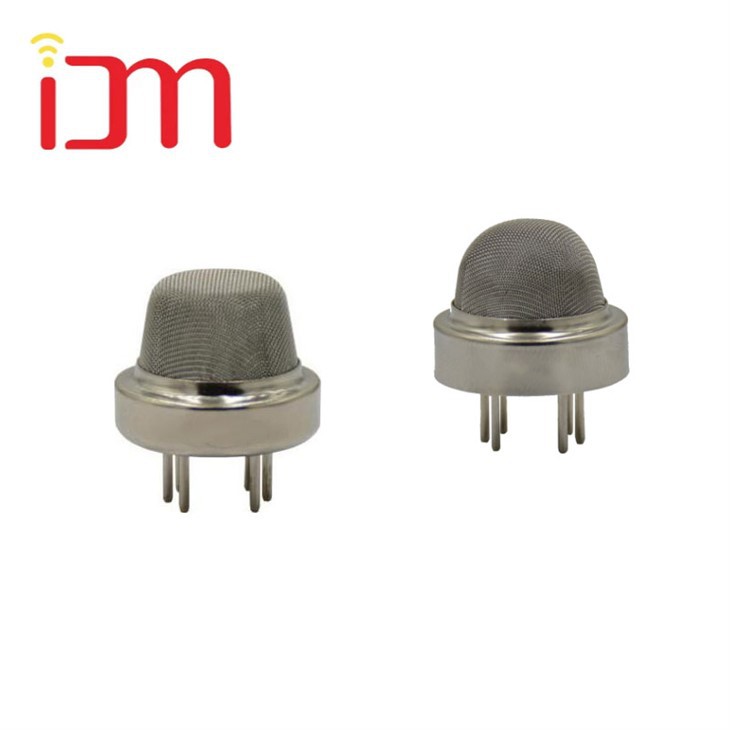
Semiconductor ozone sensors, like our Semiconductor Ozone Gas Sensor SMT - 038, operate on the principle that the conductivity of a semiconductor material changes when it adsorbs ozone molecules. These sensors typically have a faster recovery time compared to electrochemical sensors because the physical adsorption and desorption processes on the semiconductor surface are relatively quick.
Ultraviolet absorption - based sensors measure the absorption of ultraviolet light by ozone. They often have fast response and recovery times as the measurement is based on the optical properties of ozone and do not involve complex chemical reactions. However, they are usually more expensive and require more complex optical components.
Ozone Concentration and Exposure Duration
The higher the concentration of ozone the sensor is exposed to and the longer the exposure time, the longer the recovery time is likely to be. When a sensor is exposed to a high - concentration ozone environment for an extended period, more ozone molecules are adsorbed or react with the sensing material. It takes more time for these molecules to desorb or for the chemical reactions to reverse. For example, if a sensor is exposed to a sudden spike in ozone concentration that is ten times higher than the normal level for several hours, it will take significantly longer to recover compared to a brief exposure to a lower concentration.
Environmental Conditions
Temperature and humidity can have a significant impact on the recovery time of ozone sensors. Higher temperatures generally increase the kinetic energy of molecules, which can accelerate the desorption process and thus shorten the recovery time. However, extremely high temperatures may also damage the sensor material and affect its performance.
Humidity can also interfere with the sensing process. Water vapor can compete with ozone molecules for adsorption sites on the sensor surface. In high - humidity environments, the presence of water vapor may slow down the desorption of ozone molecules, leading to a longer recovery time.
Recovery Time of Our Semiconductor Ozone Gas Sensor SMT - 038
Our Semiconductor Ozone Gas Sensor SMT - 038 is designed to offer a fast recovery time, making it suitable for a wide range of applications. Through advanced semiconductor material selection and manufacturing processes, we have optimized the adsorption and desorption characteristics of the sensor.
Under normal operating conditions (temperature: 20 - 30°C, humidity: 40 - 60% RH), when exposed to an ozone concentration of 1 ppm for 10 minutes, the SMT - 038 can recover to 90% of its baseline output within 5 minutes. This fast recovery time allows for continuous and accurate monitoring of ozone levels, even in dynamic environments where ozone concentrations change rapidly.
We have also conducted extensive testing on the SMT - 038 under different environmental conditions and ozone exposure scenarios. The results show that while the recovery time may increase slightly under extreme conditions, the sensor still maintains relatively good performance compared to other sensors in the market.

Importance of Fast Recovery Time in Applications
Air Quality Monitoring
In air quality monitoring stations, ozone is one of the key pollutants to be monitored. A sensor with a fast recovery time can quickly respond to changes in ozone levels throughout the day. For example, in urban areas, ozone levels may vary significantly depending on traffic volume, sunlight intensity, and industrial emissions. A sensor that can recover quickly can accurately capture these changes, providing more reliable data for environmental management and public health protection.
Industrial Ozone Applications
In industries such as water treatment and semiconductor manufacturing, ozone is used for disinfection and oxidation processes. However, ozone leaks can pose a safety hazard to workers. A sensor with a fast recovery time can detect ozone leaks promptly and return to normal operation quickly after the leak is resolved. This ensures continuous and safe operation of industrial processes.
Conclusion
The recovery time of an ozone sensor is a critical parameter that affects its performance in various applications. As a supplier, we understand the importance of providing sensors with fast recovery times. Our Semiconductor Ozone Gas Sensor SMT - 038 is engineered to meet the demanding requirements of different industries by offering a relatively short recovery time under a wide range of conditions.
If you are looking for high - performance ozone sensors with fast recovery times for your specific applications, we invite you to contact us for further discussion and procurement. Our team of experts is ready to provide you with detailed product information and technical support to help you make the best choice.
References
- [1] Gas Sensor Handbook, Second Edition, edited by Norbert Barsan, Udo Weimar, and Simon R. P. Davies.
- [2] Research papers on ozone sensor technology published in international journals such as Sensors and Actuators B: Chemical.