

Hey there! As a supplier of formaldehyde sensors, I often get asked about the response time of these nifty devices. So, I thought I'd take a deep dive into this topic and share everything you need to know.
First off, let's understand what response time means in the context of a formaldehyde sensor. Simply put, it's the time it takes for the sensor to detect a change in the formaldehyde concentration in the air and then show a corresponding change in its output signal. This is super important because it determines how quickly the sensor can alert us to the presence of formaldehyde, which is a harmful gas. High levels of formaldehyde can cause all sorts of health problems, like irritation in the eyes, nose, and throat, and even more serious issues in the long run.
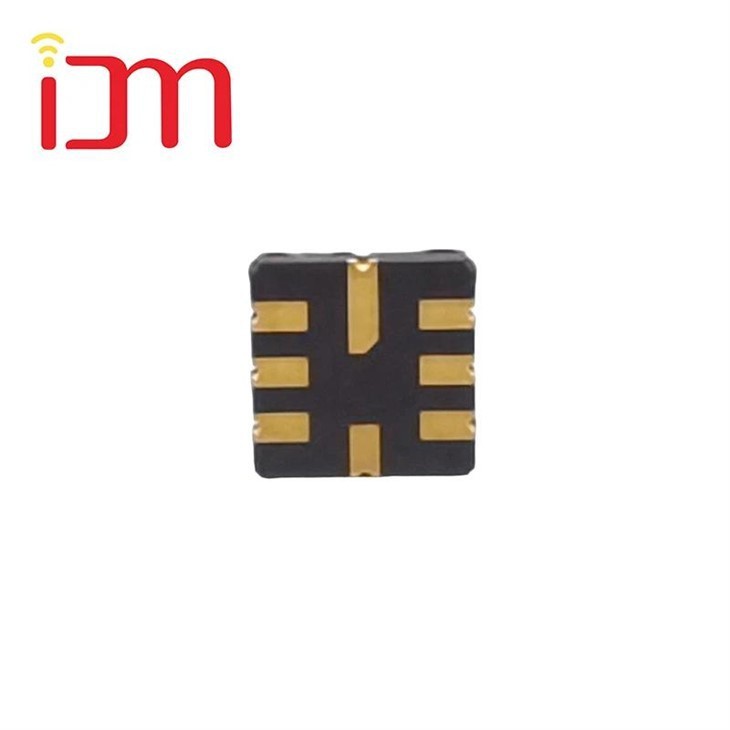
Now, there are different types of formaldehyde sensors out there, and each type has its own typical response time. Two of the popular ones we offer are the MEMS Formaldehyde Gas Sensor SMD1001 and the Electrochemical Formaldehyde Gas Sensor SMD1001E.
Let's start with the MEMS Formaldehyde Gas Sensor SMD1001. MEMS stands for Micro-Electro-Mechanical Systems. These sensors are pretty cool because they're made using advanced semiconductor manufacturing techniques. They're small, lightweight, and can be integrated into all kinds of devices easily.
The response time of the MEMS Formaldehyde Gas Sensor SMD1001 is usually quite fast. In general, it can start to detect a change in formaldehyde concentration within a few seconds to a couple of minutes. This quick response is thanks to the way the sensor is designed. It has a sensitive sensing element that can react rapidly to the presence of formaldehyde molecules in the air. When formaldehyde comes into contact with the sensing element, it causes a change in the electrical properties of the sensor, and this change is then converted into a readable signal.
For example, if there's a sudden increase in formaldehyde levels in a room, say due to the use of a new piece of furniture that emits formaldehyde, the MEMS sensor will quickly pick up on it. This fast response time is really useful in applications where real - time monitoring is crucial, like in indoor air quality monitoring systems. You don't want to wait too long to know that there's a problem with the air you're breathing, right?
On the other hand, the Electrochemical Formaldehyde Gas Sensor SMD1001E works a bit differently. Electrochemical sensors rely on a chemical reaction between the formaldehyde gas and an electrolyte inside the sensor. When formaldehyde enters the sensor, it reacts with the electrolyte, and this reaction generates an electrical current. The magnitude of this current is proportional to the concentration of formaldehyde in the air.
The response time of the Electrochemical Formaldehyde Gas Sensor SMD1001E is also relatively fast, but it might be a bit slower compared to the MEMS sensor in some cases. It typically takes a bit longer for the chemical reaction to occur and for the sensor to stabilize and give an accurate reading. Usually, it can respond to a change in formaldehyde concentration within 1 - 3 minutes.
However, electrochemical sensors have their own advantages. They're known for their high accuracy and long - term stability. So, even though the response time might be a bit longer, they can provide very reliable measurements over an extended period. This makes them a great choice for applications where precision is key, such as in industrial settings where strict formaldehyde emission limits need to be monitored.
There are several factors that can affect the response time of formaldehyde sensors. One of the main factors is the temperature and humidity of the environment. Sensors generally work best within a certain temperature and humidity range. If the temperature is too high or too low, or if the humidity is extremely high or low, it can slow down the sensor's response. For example, in a very cold environment, the chemical reactions in an electrochemical sensor might occur more slowly, leading to a longer response time.
The flow rate of the air also matters. If the air is not flowing properly around the sensor, it can take longer for the formaldehyde molecules to reach the sensing element. This is why in some applications, fans or pumps are used to ensure a good flow of air over the sensor.
Another factor is the initial concentration of formaldehyde. If the starting concentration is very low and then suddenly increases, the sensor might take a bit longer to adjust and give an accurate reading compared to a situation where the concentration change is from a moderate level.
Now, you might be wondering why the response time is so important. Well, as I mentioned earlier, formaldehyde is a harmful gas. In a home or office environment, a fast - responding sensor can quickly detect a spike in formaldehyde levels, allowing people to take immediate action. They can open windows, turn on air purifiers, or even evacuate the area if the levels are extremely high.
In industrial applications, a timely response from the sensor can prevent workers from being exposed to dangerous levels of formaldehyde. It can also help companies comply with environmental regulations by quickly detecting any leaks or excessive emissions.

If you're in the market for a formaldehyde sensor, whether it's for home use, industrial monitoring, or any other application, the response time is definitely something you should consider. But it's not the only thing. You also need to look at factors like accuracy, stability, and cost.
At our company, we understand the importance of providing high - quality formaldehyde sensors with fast response times. Our MEMS Formaldehyde Gas Sensor SMD1001 and Electrochemical Formaldehyde Gas Sensor SMD1001E are designed to meet the needs of different customers. Whether you need a sensor for quick real - time monitoring or for long - term, precise measurements, we've got you covered.
If you're interested in learning more about our formaldehyde sensors or have any questions about response times or other features, don't hesitate to reach out. We're here to help you make the right choice for your formaldehyde monitoring needs. Contact us to start a discussion about your requirements and how our sensors can fit into your projects.
References
- "Gas Sensor Technology: Fundamentals and Applications" by Some Author
- Industry reports on formaldehyde sensor performance and characteristics