

The ozone layer in the Earth's stratosphere plays a crucial role in protecting life on our planet by absorbing most of the sun's harmful ultraviolet (UV) radiation. However, at ground - level, ozone is considered a pollutant that can have adverse effects on human health and the environment. Ozone sensors are essential tools for monitoring ozone levels, and understanding the threshold value of an ozone sensor is of great significance. As an ozone sensor supplier, I'd like to delve deep into this topic to help you better understand our products and their applications.
Understanding Ozone and Its Impact
Ozone (O₃) is a highly reactive gas composed of three oxygen atoms. In the stratosphere, it forms a protective shield, but near the surface, it is a key component of smog. High levels of ground - level ozone can cause a variety of health problems, including respiratory issues such as coughing, shortness of breath, and aggravated asthma. It can also damage crops and other vegetation, leading to reduced agricultural yields.
To safeguard public health and the environment, regulatory bodies around the world have established standards for ozone levels. For example, the World Health Organization (WHO) has set an air quality guideline value for ozone of 100 μg/m³ (8 - hour mean) to protect human health. In the United States, the Environmental Protection Agency (EPA) has a National Ambient Air Quality Standard (NAAQS) of 0.070 parts per million (ppm) averaged over an 8 - hour period.
What is the Threshold Value of an Ozone Sensor?
The threshold value of an ozone sensor refers to the minimum or maximum concentration of ozone that the sensor can detect and accurately measure. There are two main types of threshold values: the lower detection limit (LDL) and the upper detection limit (UDL).
The lower detection limit is the lowest concentration of ozone that the sensor can reliably distinguish from background noise. For high - precision ozone sensors, the LDL can be as low as a few parts per billion (ppb). This is crucial for applications where early detection of low - level ozone is necessary, such as in indoor air quality monitoring or in environmental research where even small changes in ozone concentration can have significant implications.
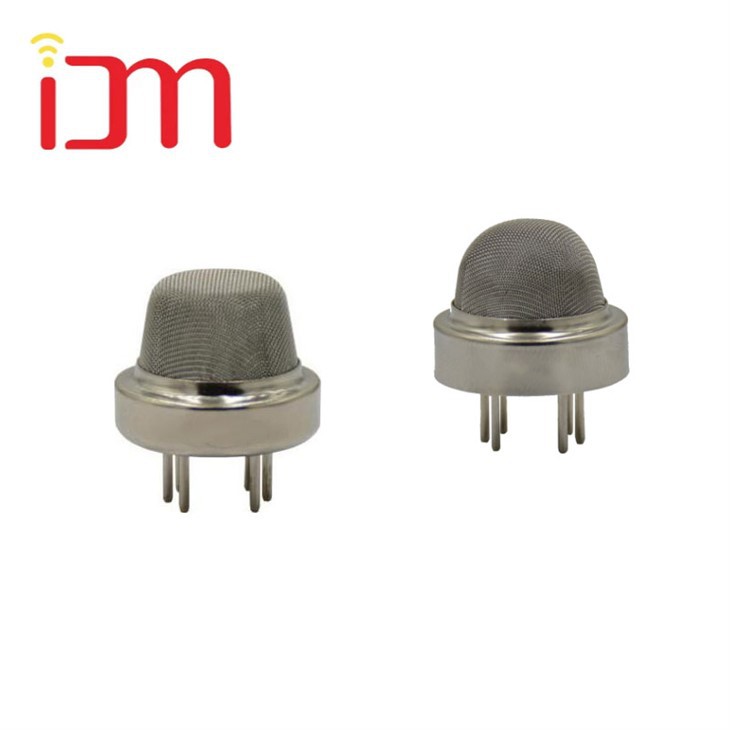

On the other hand, the upper detection limit is the highest concentration of ozone that the sensor can measure without saturation or significant loss of accuracy. For some industrial applications where high - concentration ozone may be present, such as in ozone generators used for water treatment or air purification, sensors with a high UDL are required.
Factors Affecting the Threshold Value
Several factors can influence the threshold value of an ozone sensor. One of the most important factors is the sensor technology. There are different types of ozone sensors available on the market, including electrochemical sensors, semiconductor sensors, and optical sensors, each with its own characteristics and performance.
Electrochemical ozone sensors are widely used due to their high sensitivity and relatively low cost. They work by measuring the current generated by the electrochemical reaction of ozone with a sensing electrode. The threshold values of electrochemical sensors can vary depending on the design and materials used. Generally, they can have an LDL in the range of 1 - 10 ppb and a UDL in the range of 1 - 10 ppm.
Semiconductor ozone sensors, such as the Semiconductor Ozone Gas Sensor SMT - 038, operate based on the change in electrical conductivity of a semiconductor material when exposed to ozone. These sensors are known for their fast response time and long - term stability. Their threshold values are also determined by the properties of the semiconductor material. They can typically detect ozone concentrations from a few ppb to several ppm.
Optical ozone sensors use the absorption of light by ozone at specific wavelengths to measure its concentration. They offer high accuracy and can cover a wide range of concentrations. However, they are usually more expensive and complex compared to electrochemical and semiconductor sensors.
Another factor that affects the threshold value is the environmental conditions. Temperature, humidity, and the presence of other gases can all impact the performance of an ozone sensor. For example, high humidity can interfere with the electrochemical reaction in an electrochemical sensor, leading to inaccurate measurements. Therefore, it is important to calibrate the sensor regularly and ensure that it is used within the specified environmental conditions.
Importance of the Threshold Value in Different Applications
The threshold value of an ozone sensor is critical in various applications. In air quality monitoring, sensors with a low LDL are needed to detect even trace amounts of ozone in the atmosphere. This is important for early warning systems and for compliance with air quality standards. For example, in urban areas where air pollution is a major concern, continuous monitoring of ozone levels using sensors with high sensitivity can help local authorities take appropriate measures to reduce emissions and protect public health.
In industrial applications, the UDL of the sensor is often the key consideration. In ozone - based water treatment plants, the ozone concentration needs to be carefully controlled to ensure effective disinfection without causing harm to the treated water or the environment. Sensors with a high UDL can accurately measure the high - concentration ozone used in these processes, allowing operators to maintain optimal operating conditions.
In research and development, both the LDL and UDL are important. Scientists need sensors that can accurately measure a wide range of ozone concentrations to study the formation, transport, and chemical reactions of ozone in the atmosphere. This knowledge is essential for understanding climate change and for developing strategies to mitigate the effects of ozone pollution.
Our Ozone Sensors and Their Threshold Values
As an ozone sensor supplier, we offer a wide range of sensors with different threshold values to meet the needs of various applications. Our electrochemical sensors have a low LDL, making them ideal for air quality monitoring in both indoor and outdoor environments. They can detect ozone concentrations as low as 1 ppb, providing accurate and reliable data for early warning and environmental research.
Our semiconductor ozone sensors, such as the Semiconductor Ozone Gas Sensor SMT - 038, offer a good balance between sensitivity and cost. They have a fast response time and can detect ozone concentrations from a few ppb to several ppm. These sensors are suitable for a variety of applications, including industrial air monitoring and consumer air purifiers.
For applications that require a wide range of concentration measurements, our optical sensors are the best choice. They can cover a broad spectrum of ozone concentrations, from ppb to ppm, with high accuracy. Although they are more expensive, they provide the most reliable data for critical applications such as scientific research and high - end industrial processes.
Conclusion
Understanding the threshold value of an ozone sensor is essential for selecting the right sensor for your specific application. Whether you need to detect low - level ozone in air quality monitoring or measure high - concentration ozone in industrial processes, choosing a sensor with the appropriate threshold value is crucial for accurate and reliable measurements.
As an ozone sensor supplier, we are committed to providing high - quality sensors with accurate threshold values. Our sensors are designed to meet the diverse needs of our customers, and we offer comprehensive technical support to ensure that you get the most out of our products.
If you are interested in purchasing our ozone sensors or have any questions about the threshold value or other aspects of our products, please feel free to contact us. We look forward to discussing your requirements and helping you find the best solution for your ozone monitoring needs.
References
- World Health Organization. Air quality guidelines: global update 2021. Geneva: World Health Organization; 2021.
- U.S. Environmental Protection Agency. National Ambient Air Quality Standards (NAAQS). https://www.epa.gov/criteria - air - pollutants/naaqs - table. Accessed [date].
- Skoog, D. A., West, D. M., Holler, F. J., & Crouch, S. R. Fundamentals of analytical chemistry. Brooks/Cole; 2013.