

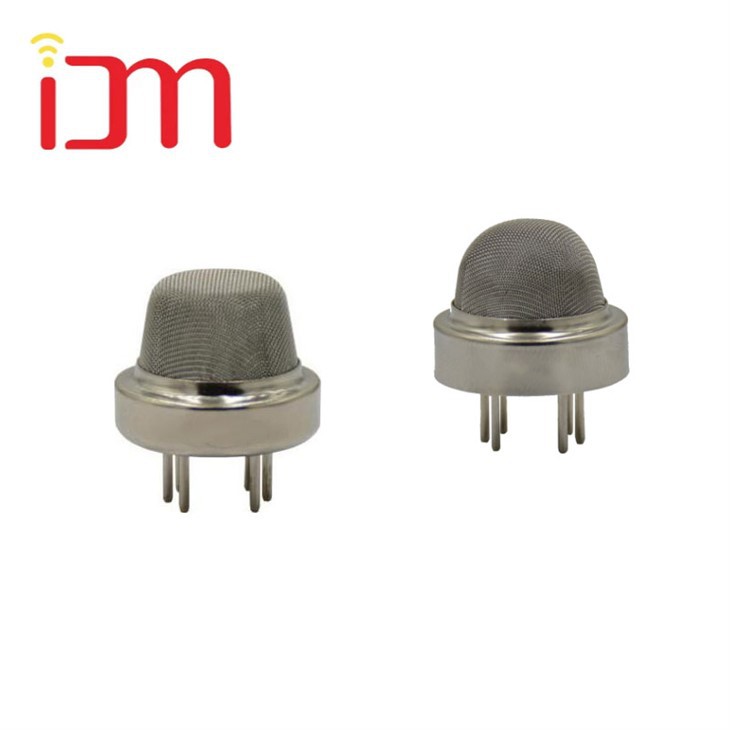
Hey there! As an ozone sensor supplier, I often get asked about the transient response of an ozone sensor. So, I thought I'd take a moment to break it down and explain what it is, why it matters, and how it affects the performance of our sensors, like the Semiconductor Ozone Gas Sensor SMT-038.
What is Transient Response?
Let's start with the basics. The transient response of an ozone sensor refers to how quickly and accurately the sensor can detect and respond to changes in ozone concentration in the surrounding environment. When there's a sudden change in the ozone level, the sensor needs to be able to pick up on that change and provide an accurate reading as fast as possible.
Think of it like a race car on a track. When the starting gun goes off, the car needs to accelerate quickly and smoothly to get up to speed. Similarly, when there's a change in ozone concentration, the sensor needs to "accelerate" its response to accurately measure the new level.
Why Does Transient Response Matter?
The transient response of an ozone sensor is crucial for several reasons. First and foremost, in many applications, such as environmental monitoring, industrial safety, and air quality control, real-time data is essential. For example, in a factory where ozone is used in a manufacturing process, a rapid and accurate response from the ozone sensor can help prevent overexposure to workers and ensure compliance with safety regulations.
Secondly, a good transient response means that the sensor can provide reliable data even in dynamic environments where ozone levels can change rapidly. This is particularly important in outdoor settings where weather conditions, traffic, and industrial emissions can cause sudden fluctuations in ozone concentration.
How is Transient Response Measured?
There are a few key parameters used to measure the transient response of an ozone sensor:
- Response Time: This is the time it takes for the sensor to reach a certain percentage (usually 90%) of its final output value after a step change in ozone concentration. A shorter response time indicates a faster sensor.
- Recovery Time: After the ozone concentration returns to its original level, the recovery time is the time it takes for the sensor to return to a certain percentage (again, usually 90%) of its initial output value. A quick recovery time is important for continuous monitoring applications.
- Rise Time and Fall Time: Rise time is the time it takes for the sensor output to rise from a low value to a high value, while fall time is the time it takes for the output to fall from a high value to a low value. These parameters give a more detailed picture of how quickly the sensor can respond to both increasing and decreasing ozone concentrations.
Factors Affecting Transient Response
Several factors can influence the transient response of an ozone sensor:
- Sensor Technology: Different types of ozone sensors, such as electrochemical, semiconductor, and optical sensors, have different response characteristics. For example, semiconductor sensors, like our Semiconductor Ozone Gas Sensor SMT-038, generally have a fast response time due to their high sensitivity to ozone and the relatively simple sensing mechanism.
- Sensor Design: The physical design of the sensor, including the size and shape of the sensing element, can affect its response time. A smaller sensing element may have a faster response because it has a shorter diffusion path for ozone molecules to reach the sensing surface.
- Environmental Conditions: Temperature, humidity, and the presence of other gases can all impact the transient response of an ozone sensor. For example, high humidity can slow down the response time of some sensors by interfering with the chemical reactions that occur on the sensing surface.
How Our Ozone Sensors Perform
At our company, we take pride in the performance of our ozone sensors, especially when it comes to transient response. Our Semiconductor Ozone Gas Sensor SMT-038 is designed to provide a rapid and accurate response to changes in ozone concentration.
Thanks to its advanced semiconductor technology, the SMT - 038 has a very short response time, allowing it to quickly detect even small changes in ozone levels. This makes it ideal for applications where real-time data is critical, such as indoor air quality monitoring and industrial process control.
In addition, our sensors are carefully calibrated and tested to ensure consistent performance under a wide range of environmental conditions. We also offer technical support to help our customers optimize the use of our sensors and get the most accurate data possible.
Conclusion
In conclusion, the transient response of an ozone sensor is a critical factor in its performance. A fast and accurate response ensures that the sensor can provide real-time data in dynamic environments, which is essential for many applications. Our Semiconductor Ozone Gas Sensor SMT-038 is a great example of a sensor that offers excellent transient response, along with other benefits such as high sensitivity and long-term stability.
If you're in the market for an ozone sensor and need reliable and accurate data, we'd love to hear from you. Whether you're working on an environmental monitoring project, an industrial safety application, or something else entirely, our team of experts can help you find the right sensor for your needs. Don't hesitate to reach out and start a conversation about your ozone sensing requirements.

References
- [List of relevant scientific papers on ozone sensor technology and transient response]
- [Technical documentation of ozone sensors]