

Hey there! As a supplier of formaldehyde sensors, I often get asked about zero drift in these nifty devices. So, I thought I'd take the time to break it down for you in this blog post.
Let's start with the basics. What exactly is a formaldehyde sensor? Well, it's a device that measures the concentration of formaldehyde in the air. Formaldehyde is a colorless, strong - smelling gas that can be found in a variety of sources, like building materials, furniture, and even some household products. High levels of formaldehyde can be harmful to human health, causing respiratory problems, eye irritation, and even more serious long - term issues. That's why having a reliable formaldehyde sensor is super important.
Now, onto the main topic: zero drift. Zero drift is a common issue in many types of sensors, and formaldehyde sensors are no exception. Simply put, zero drift refers to the change in a sensor's output when there's no target gas (in this case, formaldehyde) present. Ideally, when there's no formaldehyde in the air, the sensor should read zero. But in reality, over time, the sensor's output might deviate from this zero value, even when there's no formaldehyde around.
There are a few reasons why zero drift can occur in formaldehyde sensors. One major factor is environmental conditions. Temperature and humidity can have a big impact on the performance of these sensors. For example, if the temperature changes significantly, it can affect the chemical reactions happening inside the sensor, leading to a change in the output signal. High humidity can also cause problems, as water vapor can interfere with the sensor's ability to accurately detect formaldehyde.
Another cause of zero drift is sensor aging. Just like any other electronic device, formaldehyde sensors have a limited lifespan. As they get older, the materials inside the sensor can degrade, which can cause the sensor to lose its accuracy and start to drift from the zero point.
Contamination is also a culprit. If the sensor is exposed to other gases or substances that it's not designed to detect, these contaminants can build up on the sensor surface and affect its performance. This can lead to false readings and zero drift.
So, how does zero drift affect the use of formaldehyde sensors? Well, it can make the sensor's readings unreliable. If there's a significant zero drift, the sensor might show a non - zero value even when there's no formaldehyde in the air, or it might not detect formaldehyde accurately when it's actually present. This can be a huge problem, especially in applications where accurate formaldehyde detection is crucial, like in indoor air quality monitoring or industrial safety.
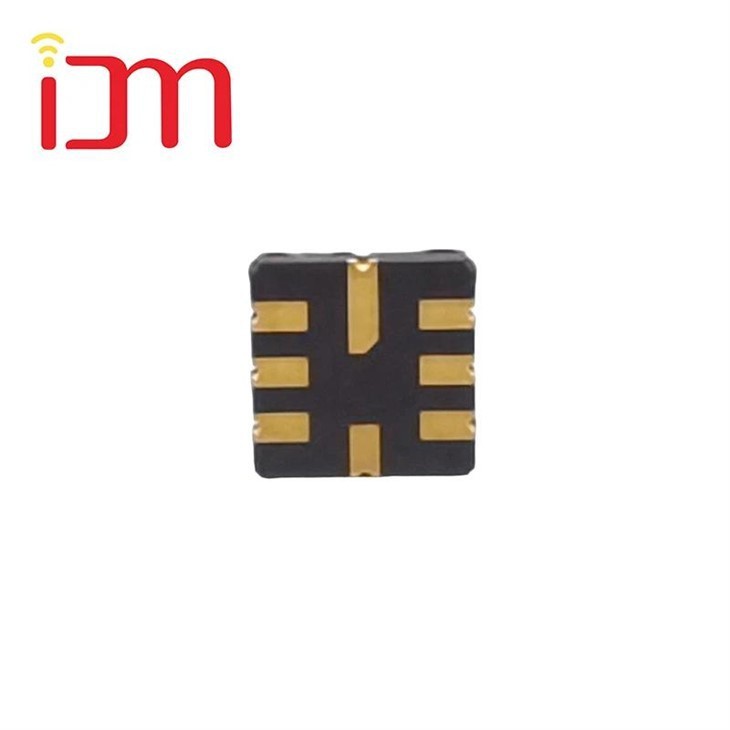
As a supplier, we're well aware of the zero - drift issue, and we've taken steps to minimize it in our products. For example, our Electrochemical Formaldehyde Gas Sensor SMD1001E is designed with advanced technology to reduce the impact of environmental factors on zero drift. It has built - in compensation mechanisms that adjust the sensor's output based on changes in temperature and humidity. This helps to keep the readings as accurate as possible over time.
Our MEMS Formaldehyde Gas Sensor SMD1001 also uses state - of - the - art micro - electro - mechanical systems (MEMS) technology. This not only makes the sensor more compact and energy - efficient but also helps to improve its stability and reduce zero drift. The MEMS design allows for better control of the sensor's internal environment, which can minimize the effects of temperature, humidity, and contamination.
To deal with zero drift, regular calibration is essential. Calibration involves adjusting the sensor's output to match a known reference value. By calibrating the sensor periodically, we can correct any zero drift and ensure that the sensor is providing accurate readings. We usually recommend calibrating our formaldehyde sensors at least once a year, but the frequency might need to be increased depending on the operating environment.
In addition to calibration, proper installation and maintenance of the sensors are also important. Make sure to install the sensor in a location where it's not exposed to extreme temperatures, high humidity, or direct sunlight. Keep the sensor clean and free from dust and debris, as these can also contribute to zero drift.
If you're in the market for a formaldehyde sensor, it's important to choose a reliable supplier. At our company, we've been in the business for a long time, and we're committed to providing high - quality sensors with minimal zero drift. Our sensors are rigorously tested before they leave the factory to ensure that they meet the highest standards of accuracy and reliability.
We understand that different customers have different needs, whether it's for home use, commercial buildings, or industrial applications. That's why we offer a range of formaldehyde sensors to suit various requirements. Whether you need a small, portable sensor for quick checks or a large - scale, industrial - grade sensor for continuous monitoring, we've got you covered.

If you're interested in learning more about our formaldehyde sensors or have any questions about zero drift or sensor calibration, don't hesitate to get in touch with us. We're always happy to help and can provide you with all the information you need to make an informed decision. Whether you're a homeowner looking to improve your indoor air quality or an industrial facility manager in charge of safety, our sensors can be a great solution for accurate formaldehyde detection. Contact us today to start the procurement process and discuss how our products can meet your specific needs.
References
- "Principles of Gas Sensors" by Some Author
- "Environmental Factors Affecting Sensor Performance" from a Reputable Journal